eBay and Vinted Fees UK 2026: Real Margins Explained
eBay and Vinted fees for resellers UK 2026 explained with real margin examples. Understand the full fee stack before you buy your next bit of stock.

Most UK resellers quote the headline fee percentage when they're doing their margin maths. That number is always wrong, and it almost always costs them money. I want to fix that, because running reselling like a real business starts with knowing exactly what leaves your account on every single sale.
Let's start with a worked example. You buy a pair of trainers for £35 and sell them on eBay for £65. You might tell yourself the platform takes around 12.8 percent, so you're netting roughly £56.68 after fees. In reality, for a UK business seller in 2026, the number landing in your account is closer to £20. That gap is the entire difference between a profitable operation and a slow bleed.
This guide covers eBay and Vinted fees for resellers in the UK as they stand in 2026, including the February 2026 fee changes that most sellers have not fully priced into their sourcing decisions yet. If you're moving stock on either platform, or both, read this before you price your next item.
The Real Fee Stack: What eBay and Vinted Actually Take From Each Sale in 2026

The mistake almost every newer reseller makes is treating eBay's final value fee (FVF) as the whole cost. It is not even close to the whole cost. As a UK business seller, you are paying a four-layer fee stack on every transaction.
Layer one: the final value fee. For most categories relevant to resellers, such as trainers and clothing, this sits at 12.8 to 12.9 percent of the total sale amount including postage. Vehicle Parts runs a tiered structure at 9.5 percent up to £750 and 3 percent above that. These category-level rates are verified against eBay's 12 February 2026 schedule.
Layer two: the per-order fee. From 12 February 2026, this increased from 30p to 40p for orders above £10. Orders up to £10 remain at 30p. That change was confirmed by ChannelX as part of eBay's Q1 2026 seller update. On its own it sounds trivial. Across 200 orders a month it adds £240 a year, on top of already rising Royal Mail rates.
Layer three: the regulatory operating fee. This is 0.35 percent of the sale amount (0.42 percent including VAT), introduced in April 2024. It applies to all UK business-seller sales. Most sellers have never noticed it on their invoices.
Layer four: VAT on all fees. eBay charges 20 percent VAT on top of every fee it invoices to you. If you are not VAT-registered, you cannot reclaim any of it. That is a real cost that hits unregistered sellers hardest.
Back to the £65 trainer sale. At 12.8 percent FVF you owe £8.32. Add the 40p per-order fee, the 0.35 percent regulatory fee (23p), and then 20 percent VAT across all of those fees, and your total fee outgoing is roughly £10.74. Add in postage at around £4 to £5 for a tracked service, and your net on a £35 buy price comes in at approximately £20. Not £56. Not £48. Around £20. That is the number that matters when you're standing at a market stall or clicking 'buy it now' on a source.
As Value Added Resource notes, the fee increases compound with rising promoted listings costs and postage, making the real margin squeeze significantly larger than the headline FVF suggests. If you are running promoted listings at 5 to 10 percent, add that on top. You can easily be giving 17 to 19 percent of your sale back to eBay before postage.
For a deeper look at what this means per pair on sneaker resells specifically, the UK sneaker reseller profit per pair breakdown on this site runs through the real numbers across different price points.
Private Seller vs Business Seller on eBay: Why Getting This Wrong Costs You More Than the Fee Difference
Since 1 October 2024, eBay removed final value fees for UK private sellers across almost all standard categories, and that change is permanent and still in place in 2026. The structure now looks like this:
What private sellers pay nothing on:
- Final value fees: removed entirely for standard categories. You keep 100 percent of the sale price and postage for qualifying listings.
- Per-order fees: not charged to private sellers.
- Regulatory operating fees: not charged to private sellers.
What private sellers still pay:
- Listing fees: Your first 300 listings each calendar month are free across most categories. Exceed that and an insertion fee - typically 35p - applies to each additional listing. For most casual sellers this limit is irrelevant, but at reselling volume it is worth monitoring.
- Motor vehicles: The one category where private sellers still pay a transaction fee. Cars, motorcycles, and vehicles sold at auction or fixed price carry a 1% final value fee on the transaction, with a minimum of £25 and a maximum of £45, plus an insertion fee to list.
- International transactions: If a buyer's registered address is outside the UK, a 3% international fee applies to the total amount of the sale. This is easy to miss if you're relying on eBay's UK audience but ship abroad.
- Optional listing upgrades: Reserve prices, subtitles, listing in two categories - any upgrade you choose to add incurs an upfront fee.
- Promoted Listings: If you opt into boosted visibility, you are charged the ad rate percentage you selected at the point your item sells.
The exception that matters most to resellers: Authenticity-checked categories are not covered by the zero-fee structure for private sellers. Sneakers sold above £100, trading cards above £150, watches above £100, and designer handbags above £500 still attract fees of up to 12.8 percent plus 30p per sale, because eBay routes these through its Authenticity Guarantee programme. If you are reselling trainers or Pokémon cards at anything above those thresholds on a private account, you are not getting the zero-fee deal - you are paying business-seller-equivalent rates without any of the business-seller protections.
On the surface, selling as a genuine private individual looks like a free pass for casual selling. For resellers, it is not, and treating it as one is one of the riskier moves you can make.
The first problem is that eBay's systems actively flag accounts that show business-like patterns on a private account. High listing frequency, repeated categories, bulk purchasing signals, professional descriptions: these trigger reviews. If eBay reclassifies you as a business seller retrospectively, you can face fees applied retroactively and account restrictions.
The second problem is HMRC. Buying to resell is trading from the first sale, regardless of what account type you use on the platform. The £1,000 trading allowance covers gross income from trading up to that amount in a tax year, but beyond it you need to declare. The allowance is not a threshold where buying-to-resell becomes legitimate, it is simply the point below which you do not owe income tax on the profit.
The third problem is UK Digital Platform Reporting. Under rules that took effect from 1 January 2024 (part of the 2023 Finance Act, aligned with OECD DAC7), platforms including eBay and Vinted are required to report seller data to HMRC annually. The reporting threshold is 30 transactions or roughly £1,725 in a calendar year. That is not a tax-free allowance. It is the point at which your data is shared with HMRC, who can cross-reference it against your Self Assessment return. If you declared less than the platform reported, that is a problem.
Running as a registered sole trader, or at scale a limited company, is simply the honest structure for a reselling operation. The mechanics of that decision are covered in more detail in the guide on how to run reselling like a real business.
One genuine margin lever that is rarely discussed: eBay's Top Rated Seller status gives a 10 percent discount on the variable FVF. The qualifying thresholds are 100 transactions and £1,000 in sales over 12 months. For a part-time reseller, that is reachable within a few months. On a 12.8 percent FVF, a 10 percent discount brings the rate to roughly 11.5 percent, which adds up at volume.
Also worth knowing: a UK eBay Shop subscription does not lower your FVF rate. Unlike the US model, a Basic Shop (£27 per month ex-VAT) only makes sense if you need more than 1,000 listings or access to Promotions Manager. A Featured Shop runs £77 per month and an Anchor Shop £437 per month. Do not subscribe because you think it cuts your fees; it does not.
Vinted's Zero-Fee Model Decoded: What You Keep, What It Costs, and Where the Margin Traps Hide
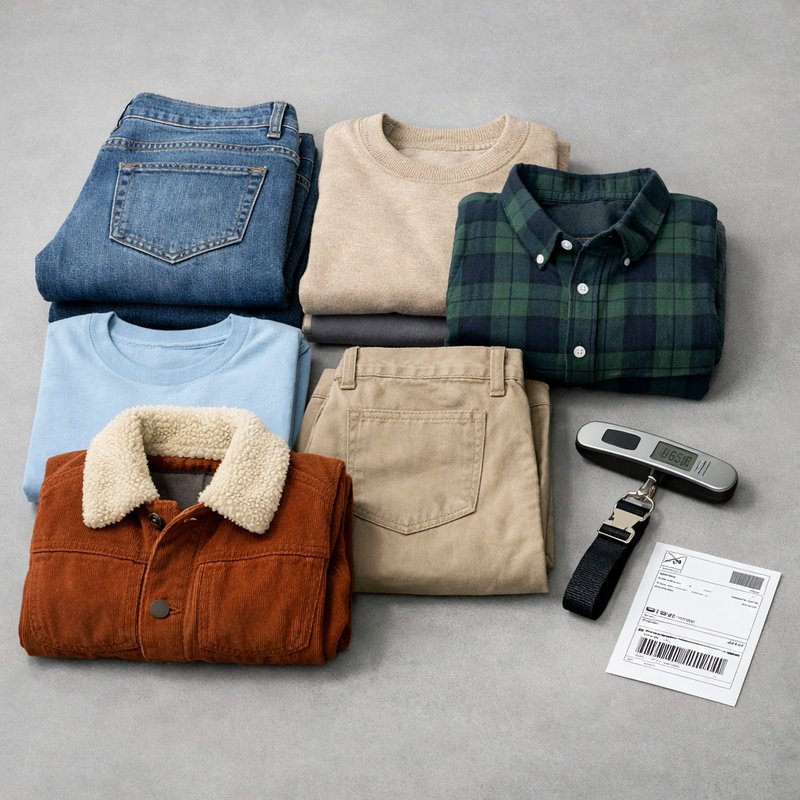
Vinted's seller proposition is straightforward: as of 2026, UK sellers pay zero commission, zero listing fee, and zero processing fee. The buyer pays a protection fee of roughly 5 percent plus approximately £0.70. For a seller, that looks like a clean deal.
For lower-priced fashion items, it often is a better deal than eBay. If you're selling clothing at £15 to £25, keeping the full £15 to £25 (minus postage) versus losing 12.8 percent to eBay is a material difference. The platform's audience skews heavily towards secondhand fashion, and for resellers working in that category it is a genuinely useful channel.
However, zero seller fees does not mean zero fee risk, and there are three traps that catch volume sellers off guard.
Trap one: the late-2025 buyer protection model update. Vinted updated its buyer protection model in late 2025, causing margin compression on orders above £50 for sellers who had not adjusted their pricing. If you listed stock pre-update and did not reprice, you may have been absorbing a larger buyer-side fee without realising it. The rule of thumb now is a hard minimum listing floor of £12 per item, with more careful attention to margin on anything above £50.
Trap two: promoted listings as a real cost centre. Vinted's promoted listings work as a percentage of the item price, not the checkout total. Running promotions at 10 percent across 30 listings averaging £20 each adds £60 per month in visibility spend at minimum, assuming every item sells. For a seller moving volume, this is a genuine operating cost that needs to sit in your margin calculation from the start, not be discovered at month-end.
Trap three: the Vinted wallet and cashflow. Funds do not transfer instantly. They sit in your Vinted wallet after each transaction, with withdrawal friction that creates a working-capital gap when you're trying to restock quickly. eBay's payout schedule has the same issue. Neither platform explains this clearly to new sellers, and I see it consistently trip up people who are trying to reinvest quickly between drops.
For the cashflow side of this in more detail, the guide on cashflow mistakes that kill UK side hustles is worth reading alongside this one.
Building Platform Fees Into Your Sourcing Decision Before You Buy the Stock
The most practical shift I can offer is this: your sourcing decision and your fee calculation need to happen at the same time, not in sequence. By the time you've bought the stock, the margin is already set. The platform fees are not a surprise at the end of the process; they are an input at the beginning.
A simple framework for eBay business sellers in 2026:
- Take your target sale price.
- Subtract 17 to 19 percent for the full fee stack (FVF, per-order, regulatory, VAT on fees, and a baseline promoted listings allowance).
- Subtract your postage cost (tracked standard for most categories is £3.50 to £5.50 depending on weight and carrier).
- The number remaining is your maximum buy price for a breakeven sale. Your actual buy price needs to be below that to generate any margin at all.
For Vinted, the maths starts cleaner but the promoted listings cost and the postage model need to be built in. Vinted's integrated postage labels are competitive but not free. Run your promoted listings percentage as a fixed cost, not a variable, because if you're listing at volume you will be running them consistently.
Category matters. Trainers and clothing on eBay sit at 12.8 to 12.9 percent FVF. That is very different from Vehicle Parts. If you are sourcing across categories, use the category-specific rate rather than a blended average, or you will systematically underprice the high-FVF categories.
One thing worth noting for sneaker resellers specifically: if you're sourcing stock that sells fast on release and then landing on eBay or Vinted as a secondary channel, the fee stack needs to be factored into whether the initial buy makes sense at all. The Air Jordan 3 True Blue 2026 reseller guide includes a worked example of how to apply this logic to a specific drop.
Cashflow, Record-Keeping, and HMRC Visibility: Running eBay and Vinted as a Real Business in 2026

UK Digital Platform Reporting means your sales data is no longer private. From January 2024 onward, eBay and Vinted have been reporting seller activity to HMRC annually. The first report covering 2024 activity went to HMRC by 31 January 2025. The 2025 activity report followed by 31 January 2026. This is now the normal operating environment for UK resellers, and it changes the risk calculus for anyone who has not been declaring income accurately.
The 30-transaction or £1,725 threshold is commonly misread as a tax-free allowance. It is not. It is the point at which your data is shared. HMRC's view on when you owe tax is governed by trading status and the £1,000 trading allowance, not by platform reporting thresholds. If you've been relying on the threshold as a safe harbour, that is a risk worth addressing now, ideally with an accountant who understands reselling.
For record-keeping at a practical level, eBay Seller Hub gives you transaction-level data that exports cleanly. Vinted's transaction export is more basic but workable. If you're selling across both platforms, you will need a consolidation step at year-end to produce a combined picture for a Self Assessment return. Tools like Link My Books or Vinta can help bridge that gap, but at lower volume a simple spreadsheet that captures date, platform, item, buy price, sell price, fees, and postage for every transaction is sufficient and defensible to HMRC.
The VAT threshold in 2026 is £90,000 in taxable turnover over a rolling 12-month period. If you're approaching that, the economics of eBay change significantly: a VAT-registered business can reclaim the 20 percent VAT charged on all eBay fees, which is a meaningful cost reduction. But VAT registration also means charging VAT on your sales, which affects your pricing and your buyer mix. This is not a decision to make based on a blog post; it is one for a qualified accountant. What I can tell you is that ignoring the threshold and exceeding it without registering is one of the more serious operational errors a reselling business can make.
If you want to see how other UK resellers are handling the operational side of this, including fee tracking, margin discipline, and sourcing decisions, Hit The Drop is a UK Discord community built around exactly that. The community runs on the principle that when members operate well, everyone benefits. If you want to do this properly rather than guess at it, apply to join and see how operators at different stages are running their numbers.
Reselling on eBay and Vinted in 2026 is not complicated, but it is precise. The fee stack is real, the HMRC visibility is real, and the margin only works if you know what you're actually keeping. Build that clarity into every sourcing decision and you're already ahead of most people running the same hustle.
🧡
Sources
- https://channelx.world/2026/01/ebay-seller-update-february-2026-fee-changes/
- https://www.valueaddedresource.net/ebay-raises-final-value-fees-in-uk-germany-2026/
- https://dashvue.co.uk/blog/what-are-ebay-selling-fees-uk-guide
- https://resellradar.co.uk/blog/ebay-fees-explained-uk-sellers
- https://www.ebay.co.uk/help/selling/fees-credits-invoices/fees-private-sellers-activated-managed-payments?id=4822
- https://shopfront.app/blog/ebay-private-seller-fees-uk/
- https://shopfront.app/blog/vinted-fees-uk/
- https://closo.co/blogs/fees/vinted-seller-fees
- https://www.frooition.com/ebay-fee-calculator-uk/
- https://regfollower.com/uk-hmrc-announces-new-reporting-regulations-for-digital-platform-operators-dac7/
Skip the queue
Use COLDSTART as your referrer when you apply to join Hit The Drop and you skip the waitlist with access approved straight away.