One Piece TCG Reselling UK 2026: Worth Adding?
One piece TCG reselling UK 2026: real margin stack, eBay fees, VAT rules and Bandai allocation explained for UK operators already running a TCG business.
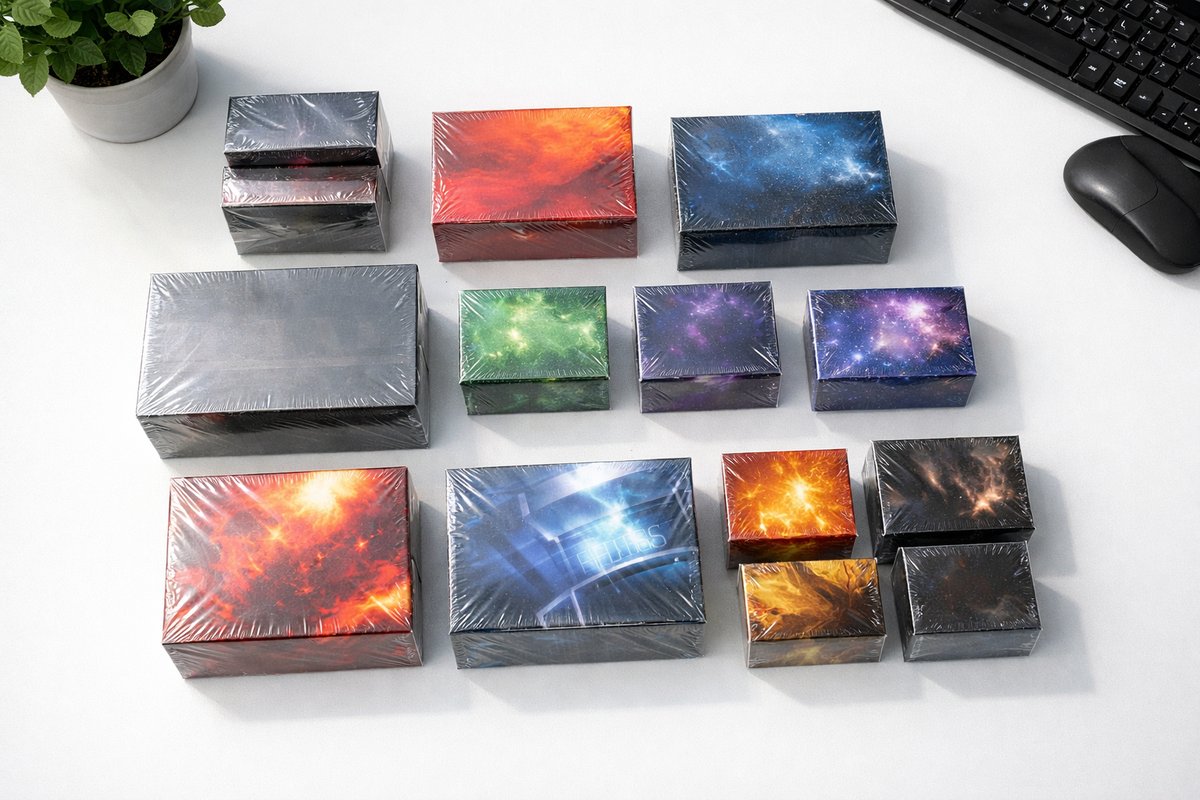
If you are already running a sealed-product reselling operation in the United Kingdom and watching One Piece TCG secondary prices climb steadily through mid-2026, the real question is not whether the card game is appreciating. The question is whether the margin stack after eBay fees, VAT, postage and wholesale allocation friction actually pencils out better than your current mix. That is what this post is about: a straight operational assessment, not a hype piece.
I have been evaluating One Piece as a genuine add-on category for operators already running Pokemon, sports cards or other TCG lines. What follows is what I found when I ran the real numbers for a UK business seller. Some of it is encouraging. Some of it is a reason to pause before allocating working capital.
What Is the One Piece TCG Secondary Market Actually Worth in the United Kingdom Right Now?

Mid-2026 Price Movement and Market Liquidity
The secondary market for One Piece TCG in the United Kingdom is real, active and moving. TCGplayer's July 2026 market data shows specific cards climbing sharply over the six months to mid-July: a Premium Booster Sanji moved from around $1,600 in January to $2,200 by mid-July 2026, which translates to roughly £1,250 to £1,730 at current exchange rates (approximate conversions throughout this post). That is not a trivial price run on a single card.
The important caveat from the same source: many promo card price spikes are speculator-driven buyouts rather than organic demand. A group of buyers corners supply, the price inflates, and resellers who buy in at peak are left holding illiquid stock when the speculators exit. This is not unique to One Piece, but the market is young enough that promo volatility is more pronounced here than in mature TCGs. If you see a promo card on eBay UK that has doubled in a week, check whether the volume supports the move before you pay secondary pricing for it.
For UK comps in GBP rather than US-denominated TCGplayer data, Packratt's One Piece price guide covers every set with live GBP market prices and UK seller listings. The fact that a UK-native price guide of this quality now exists for One Piece is itself a signal: the market infrastructure has matured enough to support professional reselling operations here, in the same way it does for Pokemon. That was not true two years ago.
Sealed vs Singles: Where the Real Volume Is
One Piece has built a growing UK secondary market alongside Pokemon TCG, with strong booster box resale and highly sought-after alt-art singles. The two categories have different operational profiles and you need to be clear on which one you are actually running before you commit stock.
Sealed product (booster boxes, premium boxes) benefits from Bandai's structurally tight supply model. Bandai does limited reprints, mainly through its own store and events, with local card shops (LCS) receiving only one initial allocation window and no meaningful restocks after that. This creates the kind of supply scarcity that supports sustained sealed pricing. If you already run Pokemon sealed product, you will recognise the dynamic, but the Bandai model is arguably tighter than most Pokemon sets in terms of restock availability through the UK trade channel.
Singles are a different business. They require sorting, grading assessment, individual listing and more capital tied up in smaller lots. The margin ceiling on a high-raw-value single is higher, but so is the knowledge requirement and the per-item handling cost. For a small operation without extra infrastructure, sealed product is the cleaner starting point. Singles make sense when you are opening cases at volume and sorting for value, which is a more complex operation. For a comparison of how this plays out across other TCG categories, our Chaos Rising booster box resell guide runs through a similar sealed-vs-singles decision framework.
The Real Margin Stack: What a UK Business Seller Actually Nets After eBay Fees, Postage and VAT

Breaking Down the Fee Waterfall on a Booster Box Flip
This is where most online One Piece investment guides fail UK resellers entirely. They quote secondary market prices in USD and stop there. The real question is what you actually net after you have sold on eBay UK as a business seller.
Here is the waterfall on a typical booster box flip in August 2026, using round numbers for illustration. Say a booster box is selling for £200 on the UK secondary market.
- eBay final value fee: roughly 12.8% on the total amount the buyer pays, including postage. On a £200 box with £10 postage, that is around £26.88.
- Per-order fee: eBay raised its per-order fee to 40p for orders over £10 in February 2026. Small individually, but it stacks across volume.
- Royal Mail tracked postage: a sealed booster box (typically 600-900g in packaging) will cost £5 to £9 tracked depending on service and weight. Use £7 as a working estimate.
- Total selling cost: approximately £34 to £37 on a £200 sale, before you account for your acquisition cost or any VAT obligations.
So if you bought that box at retail (say £90 to £110 at UK retail pricing), you are looking at a gross margin of roughly £55 to £75 before VAT and before accounting for your own time, packaging materials and any failed checkout costs. That is a workable margin if your acquisition cost is at or near retail. It becomes paper-thin very quickly if you are buying at secondary market prices to flip for a small premium.
The broader lesson here applies across every category. If you are not tracking every cost in the stack, you are not running a business, you are guessing. Our guide on eBay and Vinted fees for UK resellers in 2026 covers the full fee breakdown across both platforms if you want to model this properly for your own volume.
When the VAT Margin Scheme Matters (and When It Does Not)
This is an operator detail almost no TCG reselling content for UK sellers addresses, and it can make a material difference to your net position depending on whether you are focused on sealed product or singles.
Sealed products attract standard-rate VAT at 20% on the full sale price once your turnover exceeds the £90,000 registration threshold. Second-hand singles, however, may qualify for the VAT Margin Scheme, where VAT is calculated only on your profit margin rather than the full sale price. For a singles-focused operation where you are buying used cards and reselling them, this can reduce your effective VAT liability significantly compared to sealed product, where you pay 20% on the entire sale amount.
The practical implication: if you are running a mixed operation (sealed boxes plus singles sorting), you need to track the two revenue streams separately from day one. Mixing them without clear records makes it harder to apply the Margin Scheme correctly and creates an audit risk. Get the record-keeping right before you scale, not after. This is not personalised tax advice: speak to an accountant who works with trading card sellers for guidance specific to your situation.
Sourcing in the United Kingdom: Bandai's Allocation Model and the Sealed vs Singles Trade-Off
Why UK Wholesale Allocation Is the Moat (and How to Get On It)
This is the unglamorous operational fact that most online One Piece reselling guides skip entirely, and it is probably the single most important structural reality for a UK operator to understand.
Bandai UK distributes through a small number of approved distributors. LCS accounts receive one allocation window per set. After that window closes, there are no restocks through the standard UK trade channel. This means resellers who are not on a wholesale account (or do not have access to one through an LCS relationship) are buying at retail price or above. That fundamentally changes the margin maths.
US resellers writing investment guides for One Piece can access distributors like GTS Distribution for restocks. UK operators have no equivalent. If you already have distributor relationships from your Pokemon operation, those connections may transfer, but Bandai's approved list is separate and worth confirming directly. If you do secure wholesale access, your entry cost per booster box can be 25-35% below retail, which makes the eBay fee waterfall above far more comfortable. Without it, sealed product is primarily a hold strategy (buy at retail on release day, hold for secondary price appreciation) rather than a flip strategy.
The hold strategy is legitimate, but it has a cashflow cost that most guides do not mention. Bandai sealed product often requires pre-payment weeks before release. If you are holding multiple sets simultaneously while waiting for secondary prices to mature, you can face real working-capital stress even when the underlying assets are appreciating. For more on managing this kind of cashflow pressure across a multi-category operation, the guide on cashflow mistakes that kill UK reselling side hustles is worth reading before you commit significant capital.
Singles Restocking and the Post-Brexit Arbitrage Problem
If you are considering restocking singles by sourcing from EU Cardmarket sellers, the post-Brexit numbers need to be part of your calculation. UK buyers purchasing from EU Cardmarket sellers face 20% import VAT plus potential customs handling fees on orders above £135. This friction has persisted into 2026 and shows no sign of changing.
What this means in practice: Cardmarket is primarily useful as a sales channel for UK operators (listing your UK singles to EU buyers), not as a sourcing channel. The import VAT cost erodes the price advantage that EU sellers might appear to offer when you are looking at the raw Cardmarket listing price. Japanese card imports via EU proxy services face the same issue. The Japanese-card arbitrage opportunity that looks attractive in US-market analysis looks materially different once you add 20% import VAT and handling to the landed cost.
For UK retail sourcing of sealed product, the official Bandai One Piece Card Game product page lists confirmed release dates and product types through November 2026. Using this calendar to plan your cashflow and stock-buying windows around known launch dates is more reliable than reacting after product sells out at retail. Plan forward, not reactively.
Grading, Tax Compliance and the Operational Risks No Investment Guide Mentions
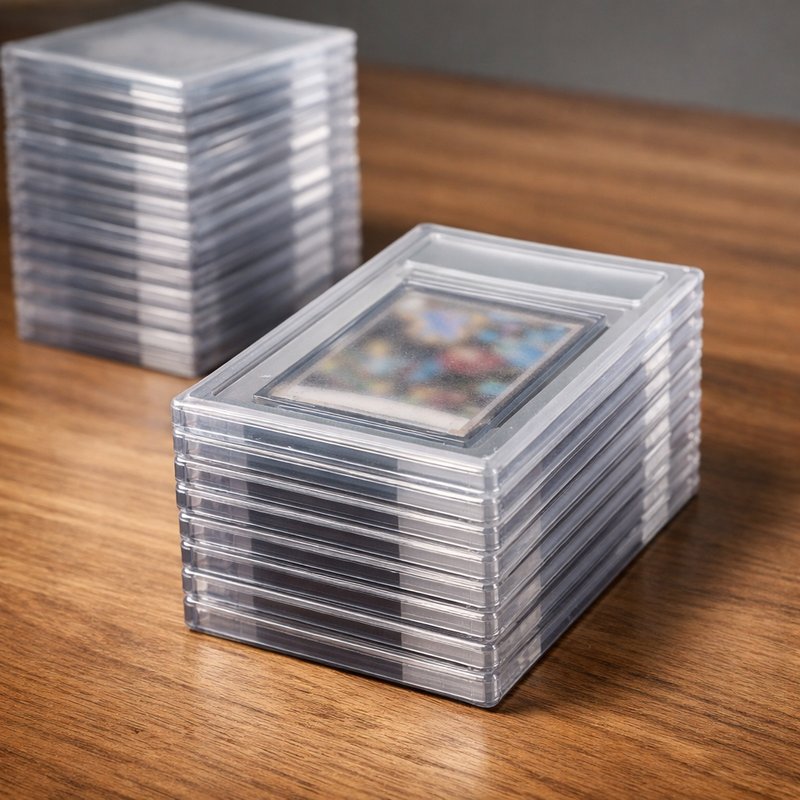
When PSA Grading Makes Financial Sense
Grading can add meaningful value on One Piece singles, but only when the raw card value and the expected grade premium justify the all-in cost. OP-16 Admiral Manga Rares are trading at roughly $1,000 to $1,600 raw as of late July 2026 (approximately £790 to £1,260 at current exchange rates). At those raw values, only PSA 9 and PSA 10 command meaningful premiums. PSA 8 and below tends to sell at or below raw price, which means a grading submission that comes back as an 8 has cost you money rather than added it.
The cost threshold for UK submitters is higher than for US submitters. You are paying PSA submission fees in USD, Royal Mail tracked international postage to the US, a wait of several months on bulk service, and then import costs when the graded slabs return to the UK. Add those costs to the GBP exchange rate drag on a USD-denominated service, and you need a high-raw-value card with a realistic path to PSA 9 or 10 to make the numbers work. For lower-value singles, grading is almost certainly a loss-maker after the full cost stack.
The cashflow implication is also worth flagging. A PSA bulk submission ties up capital for months. If you are running a One Piece operation alongside other categories, that locked capital has an opportunity cost. It is not a reason to avoid grading entirely, but it should be factored into your working-capital plan from the start, not treated as an afterthought.
DAC7, VAT Registration and Running the Operation Properly
The compliance landscape for UK resellers has shifted materially. eBay, Whatnot and TikTok Shop now report UK seller data directly to HMRC under DAC7. This means undeclared income from card sales is no longer low-risk even at small volumes. HMRC receives the data from the platform regardless of whether you are using a private or business account, and regardless of whether you have declared the income on a Self Assessment return.
The private-vs-business account misclassification risk is real and worth addressing directly. eBay flags private accounts showing business-pattern selling behaviour. If you are regularly buying and reselling One Piece product at volume, you are a business seller in HMRC's eyes regardless of your account settings. Getting that right from the start protects you when the DAC7 data match arrives.
On VAT registration: the threshold remains £90,000 gross turnover. Sealed-product sellers can reach this faster than they expect, because each box sale counts toward gross turnover, not net margin. A reseller moving 500 booster boxes at £200 per box has crossed the threshold in a single quarter, even if the actual profit on those boxes is a fraction of the turnover figure. If you are considering adding One Piece to an existing Pokemon or sports card operation, map your combined full-year turnover forecast now. Voluntary registration before you are forced to is far less disruptive than scrambling to set up records retroactively when the HMRC data match arrives. Again, this is a signpost to take action, not personalised tax advice: work with an accountant who understands trading card businesses for your specific situation.
If you want a structured approach to tracking inventory, margin and turnover across multiple TCG categories from day one, the UK reseller inventory and profit tracking guide covers the record-keeping system I recommend before you scale into a new category.
So: Is One Piece TCG Worth Adding to Your UK Reselling Operation?
The honest answer is: it depends on your current infrastructure, and most guides will not give you that answer because it is not as exciting as a price chart.
One Piece is worth adding if you already have access to Bandai UK wholesale allocation (or a reliable LCS relationship that gives you near-wholesale entry), you have the working capital to hold sealed product through a 3-to-6-month appreciation window without straining your cashflow, and you can track the additional revenue stream cleanly for VAT and Self Assessment purposes.
One Piece is a harder proposition if you are sourcing entirely at retail or above, if your working capital is already stretched across other categories, or if you are considering singles as the primary revenue stream without a clear sourcing advantage and the record-keeping discipline the VAT Margin Scheme requires.
The card game itself is not the question. The margin stack and the operational fit with your existing business are the question. Run the numbers with your actual costs before you commit. That is what separates a reselling operation from a hobby.
If you want to build and run that kind of operation properly, alongside other UK resellers doing the same, Hit The Drop is a UK Discord community for side-hustle resellers who treat this as a real business. The community covers TCG, sneakers, Funko and limited drops, with an ACO (automated checkout) service on a pay-after-success basis, account generation, mass raffle entry and proxy infrastructure for competitive drops. There are no income guarantees here and no hype. If you want to do this properly, apply to join and see whether it fits your operation.
🧡
Sources
- https://seller.tcgplayer.com/blog/price-trends-one-piece-cards-climbing-in-price-07-14-2026
- https://packratt.co.uk/price-guide/onepiece
- https://bangforyourbucktcg.com/blogs/tcg-insights/one-piece-tcg-booster-box-price-guide-2026
- https://resellradar.co.uk/blog/ebay-fees-explained-uk-sellers
- https://www.simplraccounting.co.uk/accountant-for-trading-card-sellers/
- https://www.cardpulse.club/blog/cardmarket-complete-guide-2026
- https://en.onepiece-cardgame.com/products/
- https://www.shonentcg.com/blog/one-piece-tcg-card-grading-guide
Skip the queue
Use FREEFALL as your referrer when you apply to join Hit The Drop and you skip the waitlist with access approved straight away.