How Many Entries Win a Nike Raffle UK? Real Odds
How many entries do you need to hit a Nike raffle UK? One per platform. The real strategy is stacking multiple legitimate retailer draws. Honest odds inside.
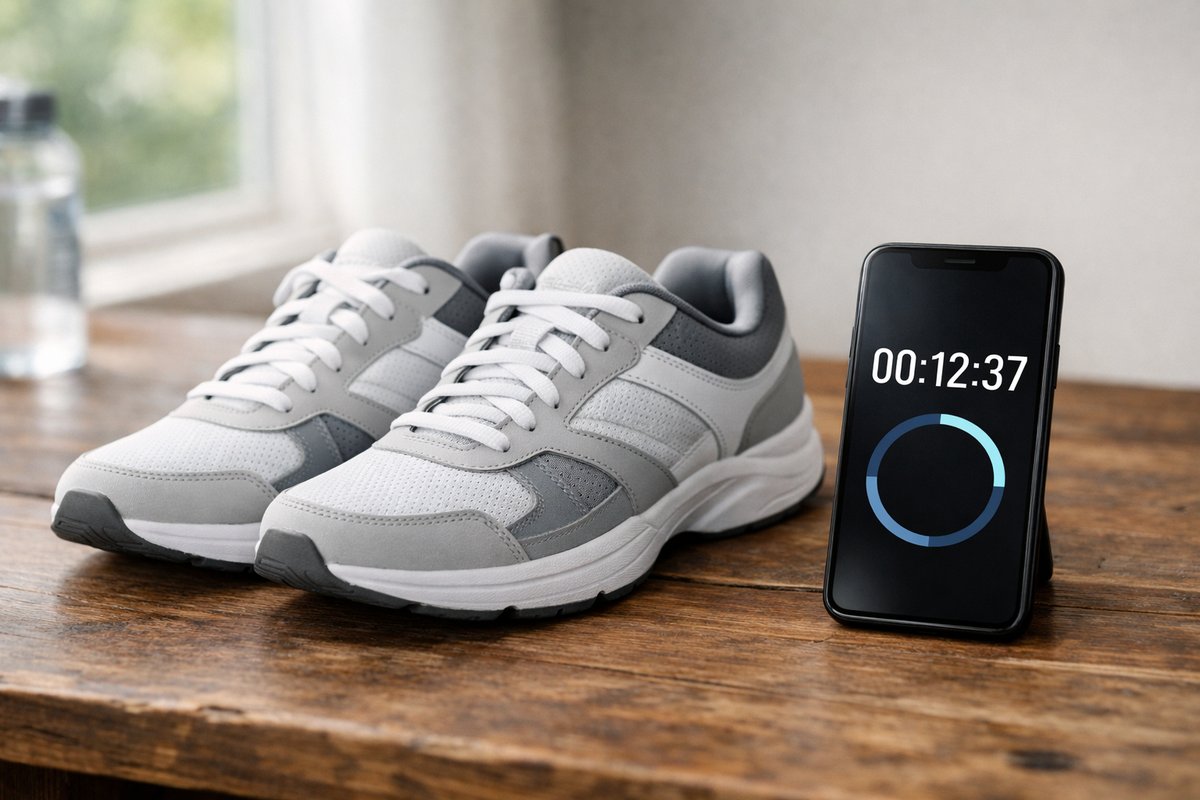
The most common question I hear from new members of the community is some version of: "how many entries do I need to hit a Nike raffle in the United Kingdom?" The honest answer is that you get exactly one entry per legitimate account on SNKRS. There is no trick that changes that number on a single platform. But asking the wrong question means missing the real strategy, which is entering every authorised UK retailer raffle for the same release simultaneously and treating each one as an independent shot.
That reframe is the foundation of everything in this guide. One entry on SNKRS, one on JD Sports, one on Size?, one on Footpatrol, one on End., one on Foot Locker UK. That is six legitimate entries at retail, from one person, without breaching a single platform's terms of service. Let's get into the mechanics.
The One-Entry Rule: Why You Can't Game SNKRS Directly
Nike's One-Account-Per-Person Policy
Nike enforces a strict one-account-per-person policy on SNKRS. That is not a soft guideline. It is the foundation of how their draw system is designed to operate, and it is actively policed. Each account gets one entry per draw, and the selection is random once the window closes. Entry speed, account age, and how many times you open the app before the draw opens have no effect on whether you win.
There is no official Nike loyalty programme or extra-entries scheme that changes your odds on a single draw. If someone is claiming otherwise, they are either mistaken or selling something. Sole Retriever's SNKRS 101 guide, updated in late 2024, confirms that hundreds of thousands of users compete on a single hyped draw. The math on a single account is brutal, and no app hack changes it.
What Happens If You Try Multiple Accounts
The short version: Nike detects them, and the consequences are worse than just losing the draw. Detected accounts can be shadow-banned, which means your entry appears to go through normally but your order gets cancelled shortly after a win with no explanation. Permanent account suspension is also possible. You lose the shoes, you lose the account, and you potentially lose any purchase history tied to that account.
Shadow bans are particularly frustrating because they are not flagged immediately. You think you have won, you wait for dispatch, and then the cancellation email arrives. By that point, secondary market prices may have moved and you have lost time chasing a W that was never real. The risk to reward on multi-account play is poor, and it gets worse on every drop cycle as Nike improves its detection. I run an automated checkout service on a pay-after-success basis, and the foundation of that model is playing within the rules, not around them.
How Nike SNKRS Draws Actually Work in the United Kingdom
FLOW, LEO and DAN Release Formats
Understanding which draw format you are entering is essential before you think about any kind of entry strategy. The three main SNKRS formats work completely differently, and conflating them is one of the most common mistakes I see.
FLOW releases are first-come-first-served. Stock is live and whoever completes checkout fastest gets the pair. Speed matters here, and this is where automated checkout (ACO) is genuinely useful. ACO pre-fills your size, payment details and delivery address so you can enter the moment the product goes live, without fumbling through the checkout process manually.
LEO (Launch Entry Order) is the most common format for hyped releases. It opens a two-minute entry window. Everyone who enters within that window goes into a random draw. Entry speed has zero effect on your selection odds. Being first through the door at 8:00:00 AM GMT gives you identical odds to someone who enters at 8:01:50 AM GMT. ACO on a LEO draw is essentially irrelevant for selection purposes, though it does reduce the risk of missing the window entirely.
DAN (Draw Announced Now) operates on a 15-minute window and follows the same random-selection principle as LEO, just with a longer entry period. It tends to be used for ultra-hyped releases where Nike wants to give a wider window for entry.
Two newer mechanics worth knowing about are SNKRS Reserve and SNKRS Code, both introduced in late 2024 and early 2025 according to Sole Retriever's updated guide. SNKRS Reserve allows eligible members to pre-register for access to certain releases. SNKRS Code uses a scannable code (often at events or through brand partners) to unlock exclusive purchase access. These are additional legitimate entry routes if you qualify, and they sit outside the standard LEO or DAN draw pool.
UK Entry Windows and the Pending Phase
UK SNKRS drops typically open at 8 AM GMT, confirmed by The Sole Supplier's UK SNKRS guide. After the draw window closes, your app will show a "pending" status. This is normal and can last anywhere from a few minutes to a couple of hours. Do not refresh excessively. The result lands when it lands. A "pending" notification is not a win or a loss; it just means the selection algorithm is running.
If you want a deeper breakdown of how draw mechanics interact with ACO strategy, the guide on SNKRS draws versus shock drops covers the nuances of each format in more detail.
The Real Multiplier: Stacking UK Retailer Raffles for One Release
Which UK Retailers Run Simultaneous Raffles
This is where the strategy actually lives. For any significant Nike release in the UK, multiple authorised retailers run their own independent draw processes simultaneously. SNKRS is just one of them.
The typical UK stack for a hyped Nike drop looks something like this:
- Nike SNKRS (LEO or DAN draw, 8 AM GMT standard)
- JD Sports UK (in-app raffle via the JD app)
- Size? (online draw, usually via their website)
- Footpatrol (email notification or online raffle entry)
- End. (online raffle through their site)
- Foot Locker UK (EQL online draw and Instagram raffles via @footlockereurope and @footlockeruk, with winners notified by email)
That is up to six independent entries from one person, using one legitimate account per platform, without breaching any terms of service. Each retailer runs its own selection process. A rejection from SNKRS has no bearing on your odds at End. or Size?. They are entirely separate draws.
How to Enter Legitimately Without Breaching Terms of Service
The rule is straightforward: one account per person, per platform. Each of these retailers prohibits multiple accounts in the same way Nike does, and the detection risk is real across all of them. What is entirely legitimate is maintaining a single clean account on each platform with your payment details, preferred size and delivery address pre-saved.
Having those accounts set up in advance means you are not scrambling on drop day. If you want support building clean, properly configured accounts for the platforms that matter, that is something HTD's account generation service covers.
HTD's raffle entry service is specifically built around this multi-retailer approach, entering Nike SNKRS and EQL draws on your behalf so you are not missing windows across multiple platforms simultaneously.
What Are Your Real Odds? Setting Honest Expectations
Competition Pool Size and Why Single-Account Odds Are Thin
I will not dress this up. On the most hyped SNKRS drops, hundreds of thousands of users are entering a single draw. Your single-account win rate on a grail release is well below five percent, and for some releases it is closer to one or two percent. That is the reality of a draw system at scale.
A useful data point from the community: a NikeTalk thread from 2024 documented one user hitting a 70 percent win rate (later revised to 63.6 percent) across ten draws in one year. The thread commenters, correctly, noted that this is an extreme outlier. Across ten draws, small sample variance plays a huge role. That number also reflects the user's size range, which is a significant factor.
If you are running the expected value maths on raffle entries, which is the right way to think about it, you are not asking "will I win this draw?" You are asking "across 50 or 100 entries over the year, what is my average return per entry after all costs?" That longer-term, process-oriented view is what separates operators from gamblers.
How Shoe Size and Release Desirability Change Your Probability
Two factors move the needle more than any app hack: your shoe size and how hyped the release actually is.
Popular sizes (UK 7 to 11) have the most competition. If you wear a size that falls outside the peak demand range, your odds improve materially. Sizes UK 13 and above, or UK 4 and below, see significantly less competition on most draws. It is not a dramatic edge, but across a year of entries it compounds.
Release desirability matters just as much. A general release Nike colourway running as a SNKRS draw has a fraction of the entry pool compared to a Jordan 1 Retro High colourway or a Travis Scott collaboration. Chasing every grail and ignoring mid-tier drops is a common mistake that distorts your W-L record. Some of the best resale opportunities in sneakers come from releases that the wider market underestimates.
You can find an honest breakdown of what realistic per-pair margins look like in the guide on UK sneaker reseller profit per pair.
On the question of whether Nike's algorithm factors in purchase history or app engagement: Captain Creps notes that Nike has not officially confirmed this, so any strategy built around "boosting your algorithm standing" is speculative. I would not spend meaningful time on it.
ACO and Entry Speed Strategy Without Getting Banned
What ACO Actually Is and Which Drop Types It Helps With
ACO stands for automated checkout. In practice, it is software that pre-fills your size, payment method and delivery address and submits your entry the moment a drop goes live, without any manual interaction. It removes human error and reaction time from the equation.
Where ACO genuinely matters is on FLOW releases. These are first-come-first-served, and a few seconds of fumbling with payment details or a slow manual checkout process costs you the pair. ACO removes that friction entirely.
On LEO and DAN draws, the honest answer is that ACO makes a much smaller difference to your selection odds, because selection is random after the window closes. What it does do is ensure you do not miss the entry window because you were late opening the app or your manual checkout timed out. That is still worth something, particularly when you are managing entries across multiple platforms simultaneously.
ACO does not circumvent Nike's selection algorithm. It does not raise your probability within the draw pool. It makes you a more reliable entrant, not a luckier one. If you want to understand exactly how it works in a UK context, the guide on how ACO works on UK sneaker drops in 2026 is the right starting point.
The Terms of Service Risk and How Nike Detects Duplicate Accounts
Nike's detection methods have matured significantly. Device fingerprinting, payment method matching, delivery address clustering, and IP analysis are all documented approaches used to identify accounts that belong to the same person. Using residential proxies and fresh email addresses can reduce the detection surface, but it does not eliminate it, and it puts every account you run at risk if one gets flagged.
The risk calculus is simple: if Nike flags one account, they can review linked accounts. You can lose multiple accounts in a single enforcement action, along with any purchase history, Exclusive Access eligibility, and SNKRS Reserve status attached to those accounts. The short-term upside of running duplicate accounts does not outweigh that downside for most people.
If you want to understand how proxies work in a UK drop context without the hype, the guide on residential versus ISP versus datacentre proxies lays it out plainly.
Managing Risk and Calculating Real Profit Margins

What a UK W Actually Costs After Fees and Postage
Winning a draw is not profit. It is an option to buy at retail price. Whether that option is worth exercising depends on the maths after all costs are accounted for.
Here is the calculation every UK reseller should run before entering a draw with resale intent:
- Nike retail price (VAT already included in the UK price)
- Selling fees: StockX charges roughly 9 to 10 percent all-in for most sellers; eBay's combined fees run 9 to 13 percent depending on category and seller level
- Payment processing fees: PayPal or Stripe typically add 2.9 percent plus a fixed charge per transaction
- Postage: Royal Mail Tracked 48 for a shoe box runs approximately £4 to £6; Tracked 24 or Special Delivery adds more
- Packaging materials: polybag or outer box, tape, tissue if you are maintaining presentation
On a mid-tier release where secondary market price is only 20 to 30 percent above retail, those fees and postage can eliminate most or all of the margin. The eBay and Vinted fees guide has the current fee structures laid out clearly if you want to run the numbers for a specific drop.
When Resale Makes Sense vs When Collecting Beats Speculation
Not every W is a resale opportunity, and recognising that is part of running this like a business. On slow-moving releases, the real value of a W is the shoes at retail price, not the margin. Forcing a resale on a pair that is sitting at or below retail on the secondary market ties up capital and adds stress for no return.
UK resellers are also subject to tax obligations. If you are selling regularly and making a profit, that income is taxable and may require Self Assessment registration with HMRC. Always check official HMRC guidance for your situation; this post does not constitute personalised tax advice.
The Consumer Rights Act 2015 and ASA guidelines offer another layer of protection worth knowing about. Raffle operators in the UK are legally required to run draws exactly as advertised. If a retailer cancels a draw after entries close, changes the terms mid-draw, or fails to fulfil a stated win, UK consumer law provides recourse. Knowing your rights as a legitimate entrant is part of being an informed operator.
The honest framing is this: approach a W-L run over a full drop season, not a single draw. Some drops will miss. Some Ws will have thin margins. The edge comes from consistent process across many entries, not from one mythical hit that changes everything. If you want a framework for thinking about cashflow and reinvestment across a reselling operation, the guide on how to run reselling like a real business is worth your time.
The Bottom Line on Nike Raffle Entries in the UK
You get one entry per legitimate account. The real strategy is stacking multiple authorised UK retailer draws for the same release, using clean accounts pre-configured with your details, and running honest expected-value maths on whether each W is worth pursuing for resale or personal use. ACO matters most on FLOW releases; on LEO draws its value is reliability, not a selection edge. Multi-account tactics risk everything for marginal upside.
The operators who do this consistently over a full year are the ones who build something sustainable. It is not about one big hit. It is about process, margin discipline, and entering the right drops in the right way.
If you want to do this properly alongside a community of UK resellers who are honest about what works, Hit The Drop is a Discord-based community and ACO service built around exactly that. The ACO is pay-after-success, meaning the fee is a percentage of the projected margin and you pay nothing on a miss. Apply to join if you want to run this like a business, not a lottery.
🧡
Sources
- https://www.soleretriever.com/news/articles/nike-snkrs-101-how-to-buy-sneakers-on-the-snkrs-app
- https://thesolesupplier.co.uk/news/how-to-get-shoes-on-snkrs/
- https://niketalk.com/threads/how-to-explain-a-70-snkrs-win-rate.698034/
- https://captaincreps.com/how-to-cop-shoes-on-the-nike-snkrs-app/
Skip the queue
Use BACKDOOR as your referrer when you apply to join Hit The Drop and you skip the waitlist with access approved straight away.