Pokémon Center UK Pre-Running: How It Works 2026
How Pokémon Center UK pre-running works in 2026, what resellers actually earn after fixed fees, eBay costs and postage, and which product tiers are worth.
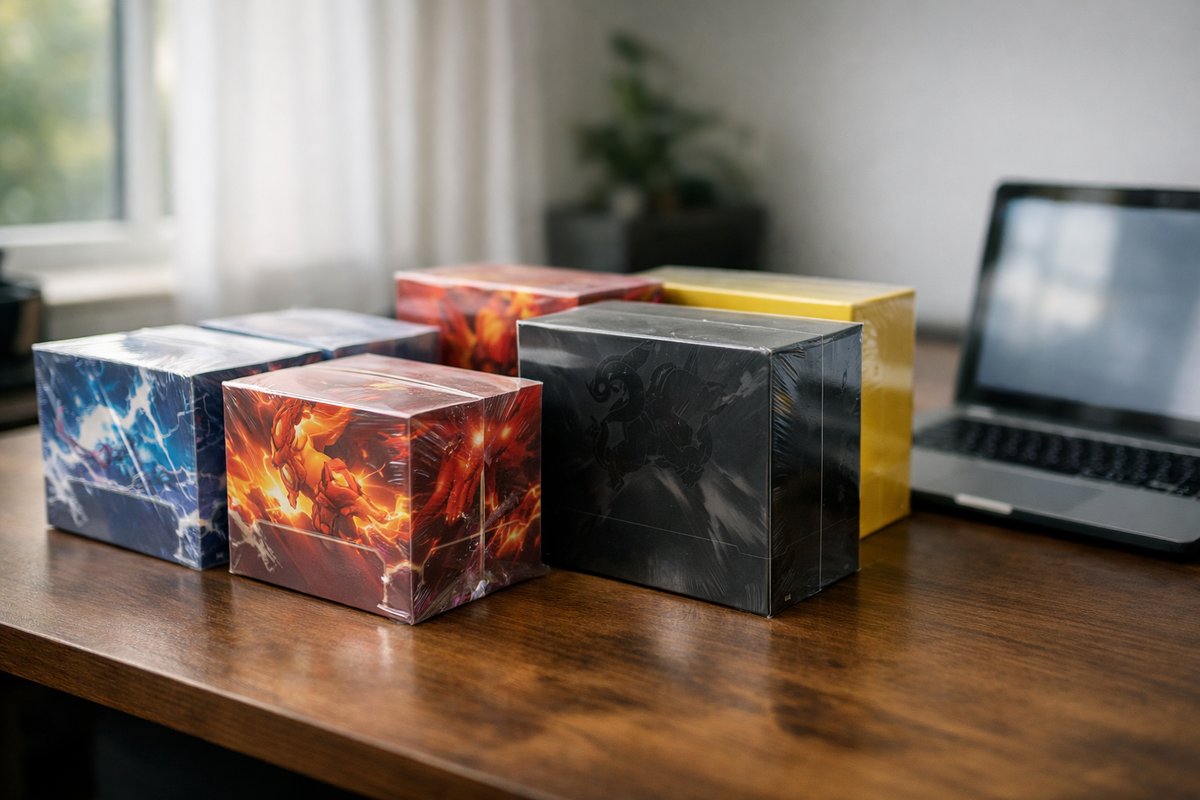
Most UK resellers assume that getting onto a Pokémon Center drop means joining the virtual queue at the right moment on launch day. That is not how pre-running works. Pre-running is a continuous automated slot service: it monitors and attempts checkout around the clock, across every pre-order window that opens for a linked SKU, without any manual involvement on your part. Understanding that distinction matters because it changes the risk profile, the working capital requirements, and the realistic economics of the whole operation.
Before we get into the numbers, a quick note: this post focuses on outcomes and economics. If you want the account setup side, the Pokémon Center UK profile preparation guide covers that in detail. Here, I want to walk through exactly what triggers a purchase, what realistic fill frequency looks like across a calendar year, and what you are actually left with after fees and postage.
What Pokémon Center UK pre-running actually is (and what it is not)
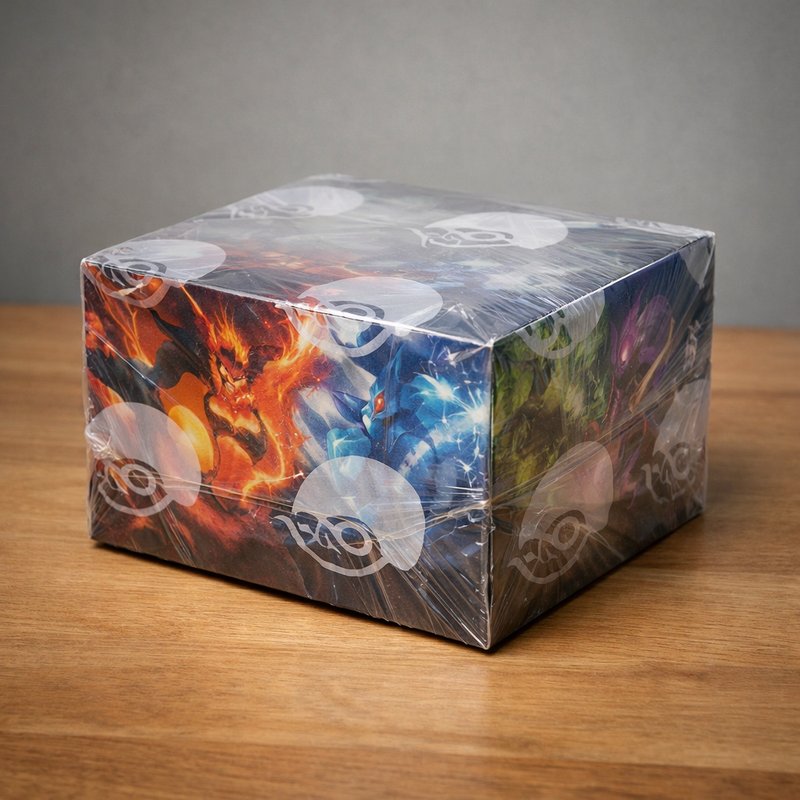
The 24/7 automated slot model
A pre-running slot is not a one-time event entry. It is an always-on automated position linked to one or more SKUs on the Pokémon Center UK store. When the store opens a pre-order window for a linked product, the slot attempts a checkout automatically. You do not need to be at your desk. You do not need to know the exact drop time. The slot handles it.
The slot itself requires a verified Pokémon Center UK account with a valid payment method and a UK delivery address. According to the official Pokémon Center UK FAQ, the store ships to UK addresses only, accepts Visa, Mastercard, PayPal, Amex, and Apple Pay, and targets 3-6 working day delivery. These are not optional details: they define what a valid slot profile looks like.
Account quality matters here. If you are building profiles for pre-running rather than using your personal account, the account generation service is worth looking at before you commit to a slot.
How pre-running differs from announced-drop ACO
This is the distinction that confuses most people. Announced-drop ACO, like the model run by services such as House of Carts in the US market, works on a per-event basis: a drop is announced, you submit profiles, a team runs the bot on a specific window, and results come back shortly after. It is active and event-driven.
Pre-running on Pokémon Center UK is passive and continuous. There is no specific drop day to co-ordinate around. The slot sits active, and when the store opens a pre-order window, the checkout attempt fires automatically. You are paying for a persistent position, not a single-event attempt. That is a meaningfully different service, and the fee structure reflects it.
If you want a broader comparison of how automated checkout services are structured across the UK market, the cook group vs ACO service ROI guide is a good starting point.
How a pre-running slot triggers a purchase: the mechanics from open pre-order to dispatch
When pre-running actually executes
According to Cardlines' June 2026 analysis, Pokémon Center pre-orders for most sets open roughly 78 days before release date. Pre-order volumes in 2026 are running approximately 300 percent above 25th anniversary levels, and bot pressure means pre-order stock clears within seconds. Manual entry is not a realistic strategy at that demand level.
A pre-running slot executes the moment a linked SKU becomes available for pre-order. The slot does not wait for a human signal. That is why the 24/7 framing matters: a pre-order window can open at any time, including overnight, and a manual reseller almost certainly misses it.
The official Pokémon Center pre-order FAQ, updated August 2026, confirms how pre-order stock allocation works and links to estimated shipment date tables, which gives a clear view of when a successfully checked-out pre-order will actually ship.
Why payment timing matters for working capital
Here is a point that almost nobody discusses: Pokémon Center charges at dispatch, not at the point of pre-order. As confirmed by specialist UK TCG retailer guides and the Evolvault UK preorder guide, the store may pre-authorise your payment method roughly 7-10 days before shipment, but the actual charge hits close to dispatch.
For a pre-running slot, this means your capital is not at risk when the slot activates and the pre-order lands. It is only committed when dispatch is imminent. If you are running multiple active slots across a launch cycle, you can do so with a far smaller float than you would need for a retailer that charges at order. That is a meaningful working capital advantage, and it is one that most cashflow models for Pokémon reselling completely ignore.
For more on how to structure your cashflow around drops, the reselling cashflow mistakes guide covers the common errors in detail.
The fixed-fee model explained: what you pay per SKU and why it differs from announced-drop ACO
Fixed fees per product tier
Pre-running on Pokémon Center UK uses a fixed success-only fee per product tier. The fees are:
- Booster Box: £15 per successful checkout
- Elite Trainer Box (ETB): £10 per successful checkout
- Booster Bundle: £5 per successful checkout
These are success-only fees. If the slot does not fill on a given pre-order window, you pay nothing. There is no retainer, no subscription, no charge for a failed attempt. The model is structurally similar to the pay-after-success framing used by HTD's ACO service, where the fee is only triggered when a checkout actually lands.
The difference from announced-drop ACO is important. Percentage-based ACO fees scale with the sale price of the item. Fixed fees do not. That means the fee as a proportion of your margin varies dramatically by product tier, which is exactly why the Booster Bundle tier deserves its own scrutiny.
Why fixed fees matter for tight-margin products
I evaluate every pre-running SKU by calculating the fee as a percentage of projected margin, not revenue. A £5 fee sounds small in isolation. On a Booster Bundle with a £25 RRP and a £30-35 resell, it is not small at all. By the time you add eBay's fees and postage, that £5 fee can consume the entire margin or push you negative. I will run the full arithmetic in the net margin section below.
The Delta Reign booster bundle resell guide shows the tightness clearly: RRP of £25 against a £30-35 secondary market estimate, and the note that the booster bundle is the tightest-margin product in the set once all costs are included. That context matters for pre-running fee evaluation too.
To understand how to evaluate any drop before committing spend, the UK drop evaluation guide gives a structured framework.
What realistic fill frequency looks like across a set launch cycle
How many Pokémon Center UK launches happen per year
Pokémon Center UK typically opens between 8 and 12 pre-order windows per calendar year, accounting for main set releases, special edition products, and exclusive bundles. The official estimated preorder release dates page, updated September 2026, shows the current pipeline and gives a realistic sense of cadence across a year.
That cadence is the foundation for annual planning. Ten launch windows at a 60 percent fill rate gives you six successful checkouts. At 40 percent, you get four. Neither of those is guaranteed, and anyone telling you otherwise is not being straight with you.
The 80 percent baseline and zero-fill planning
The best public benchmark for ACO success rates on Pokémon pre-orders comes from House of Carts, a US-market ACO service that reported an 80 percent success rate across two named 2026 preorder cycles. That is a strong result, and it is a useful reference point, but it is not a guarantee you can plan around without caveats.
Their own ACO explainer makes the right point: ACO is best understood as a release opportunity, not a purchase guarantee. A failed checkout does not always mean incorrect setup. Inventory limits, site protection changes, and account flagging can all determine the result independently of whether the slot was configured correctly.
Zero-fill events are a realistic planning scenario. A pre-running slot may fail to execute across an entire set release. If the fee model is success-only, that costs you nothing in service fees. But it does cost you the opportunity to have sourced stock elsewhere. Build that into your annual plan rather than treating it as an edge case.
If you want to understand how fill-rate thinking applies to other areas of the operation, the sell-through rate guide applies similar logic to drop selection more broadly.
Net margin per product: a worked GBP example after fees, postage, and platform costs
Every margin model for reselling underestimates true costs. A reseller margin methodology guide from OrderPro Analytics notes that most resellers underestimate true costs by 15-25 percent by omitting the full fee stack, including inbound shipping, packaging, and platform fees beyond the headline selling fee. The worked examples below include every cost layer.
For eBay selling fees: the current collectibles final value fee is 12.8 percent of the total amount the buyer pays, plus a 30p per-transaction fee. For more detail on how eBay and Vinted fee structures affect net margin across categories, the eBay and Vinted fees guide is worth reading alongside these examples.
Booster Box margin walkthrough
Using a midpoint resell of £40 (a conservative secondary market estimate for a Pokémon Center UK exclusive booster box in a strong set):
- Purchase price (RRP): approximately £20
- Pre-running service fee: £15
- eBay final value fee (12.8% of £40): £5.12
- eBay transaction fee: £0.30
- Royal Mail tracked postage: £3.50
- Packaging materials: £0.50
- Net margin: approximately £5.58
At the higher end of the resell range (£45), net margin climbs to around £10. The Booster Box is viable but not especially rich once the full cost stack is applied. Volume and consistency are what make it worthwhile, not the per-unit margin alone.
ETB margin walkthrough
The 30th Celebration ETB is the clearest current example. House of Resell's September 2026 brief puts the Pokémon Center ETB purchase price at £56.99 with an early secondary market estimate of around £250, identifying it as the standout product in the set.
Using a conservative resell of £150 (well below the early peak, accounting for price decay as supply catches up):
- Purchase price: £56.99
- Pre-running service fee: £10
- eBay final value fee (12.8% of £150): £19.20
- eBay transaction fee: £0.30
- Royal Mail Special Delivery postage: £7.00
- Packaging: £1.00
- Net margin: approximately £55.51
At £200 resell, net margin climbs to approximately £99. The ETB is where pre-running genuinely earns its place. Even at a heavily depressed resell price, the margin is material. The Destined Rivals ETB resell value post has comparable data for a different set if you want a second reference point.
Booster Bundle margin walkthrough
This is where the arithmetic gets uncomfortable. Using the Delta Reign data (RRP £25, resell estimate £30-35):
- Purchase price: £25.00
- Pre-running service fee: £5.00
- eBay final value fee (12.8% of £32.50 midpoint): £4.16
- eBay transaction fee: £0.30
- Royal Mail tracked postage: £3.50
- Packaging: £0.50
- Net margin: approximately -£0.46 at midpoint resell
At the high end of £35, net margin reaches roughly £1.54. At the low end of £30, you are losing money. The Booster Bundle pre-running slot is not a viable product tier for most resellers once all costs are factored in. The service fee is not the sole culprit, eBay's 12.8 percent collectibles fee and postage are equally responsible, but together they consume the entire available margin.
I do not run pre-running slots on Booster Bundles. The arithmetic simply does not support it at current resell levels.
Annual cumulative example
Across a typical year with 10 launch windows and a 60 percent fill rate (6 successful checkouts), running slots on Booster Boxes and ETBs only:
- 3 Booster Box fills at £5-10 net margin each: £15-30
- 3 ETB fills at £55-99 net margin each: £165-297
- Cumulative net margin range: £180-327 per slot
In a strong year with 8 fills and higher resell prices (closer to the early secondary market peaks), that range expands significantly. In a weak year with 3-4 fills, it compresses. The honest answer is that pre-running on Pokémon Center UK is a useful supplementary income stream for a UK reseller who already has their operation set up correctly. It is not a standalone business and it is not predictable enough to rely on as your primary income source.
For a wider view of how to build a sustainable operation across multiple categories, the running reselling like a real business guide is the right starting point.
Putting it all together: what pre-running actually gives you
Pre-running on Pokémon Center UK is a passive, low-maintenance position that can deliver real margin on Booster Boxes and ETBs across a set launch cycle. The mechanics are straightforward once you understand them. The economics only make sense on the right product tiers. The Booster Bundle tier, at current resell levels, does not clear costs.
The capital timing advantage is real and underappreciated: because Pokémon Center charges at dispatch rather than at order, a pre-running slot carries minimal working capital risk compared to buying stock upfront from a retailer that charges immediately. You can run multiple active slots with a smaller float than most resellers assume.
Zero-fill events are part of the plan, not an exception to it. A 60-80 percent fill rate on successful checkouts is a realistic benchmark, not a guarantee. Build your annual model around 4-6 fills on a 10-window calendar year, and treat anything above that as upside.
If you are running reselling as a real business and want the infrastructure to do Pokémon Center pre-running (and other drops) properly, Hit The Drop is a UK Discord-based reselling community with an automated checkout service built on a pay-after-success model. You only pay when a checkout lands. Apply to join if you want to approach this the right way alongside other operators who are doing the same. Applications are reviewed in batches, and there is a waitlist, so do not leave it until the next pre-order window is already open.
🧡
Sources
- https://support.pokemoncenter.com/hc/en-us/articles/4410136975892-Pok%C3%A9mon-Center-UK-FAQ
- https://support.pokemoncenter.com/hc/en-us/articles/24128350732820-Pok%C3%A9mon-Center-Preorder-FAQ
- https://support.pokemoncenter.com/hc/en-us/articles/4407702295572-Estimated-Preorder-Release-Dates
- https://houseofresell.com/missed-flips/pokmon-tcg-30th-celebration-pokmon-center-etb--booster-bundle
- https://hitthedrop.co.uk/blog/delta-reign-booster-box-uk-resell-guide-2026
- https://cardlines.com/pokemon-centers-early-access-program/
- https://dashboard.houseofcarts.io/resources/pokemon-aco-service
- https://dashboard.houseofcarts.io/resources/what-is-aco
- https://evolvault.com/blogs/news/preorder-pokemon-cards-uk-guide
- https://www.orderproanalytics.com/blog/how-to-calculate-your-true-profit-margin-as-a-reseller-including-every-fee-youre-probably-forgetting
Skip the queue
Use CLEANSWEEP as your referrer when you apply to join Hit The Drop and you skip the waitlist with access approved straight away.