Why You Keep Losing Hyped Drops: UK Checklist 2026
Why you keep losing hyped drops as a UK reseller, explained with real odds, margin maths, and a pre-drop checklist to stop wasting time and capital in 2026.

Let me be straight with you. The Fragment Design x Travis Scott x Air Jordan 1 Low drew 4.4 million raffle entries against an estimated 40,000 pairs. That is roughly 1-in-110 odds per entry. And 25% of items sold on StockX clear below retail price. So even when you do cop, you can still lose money.
In the United Kingdom, there is an extra layer that most guides completely ignore: JD Sports, Size?, and Footpatrol all run on the same Mesh backend. If you think you are entering three separate raffles, you are actually entering one system three times with multiplied account suspension risk. More on that below.
This post is not about winning every drop. Nobody does that consistently. It is about running a checklist before each entry so you lose less capital, waste less time, and stay in the market long enough for the process to compound. That is how sustainable reselling actually works.
How Limited Drops Actually Work in the United Kingdom: FCFS, Raffle, and Draw Mechanics
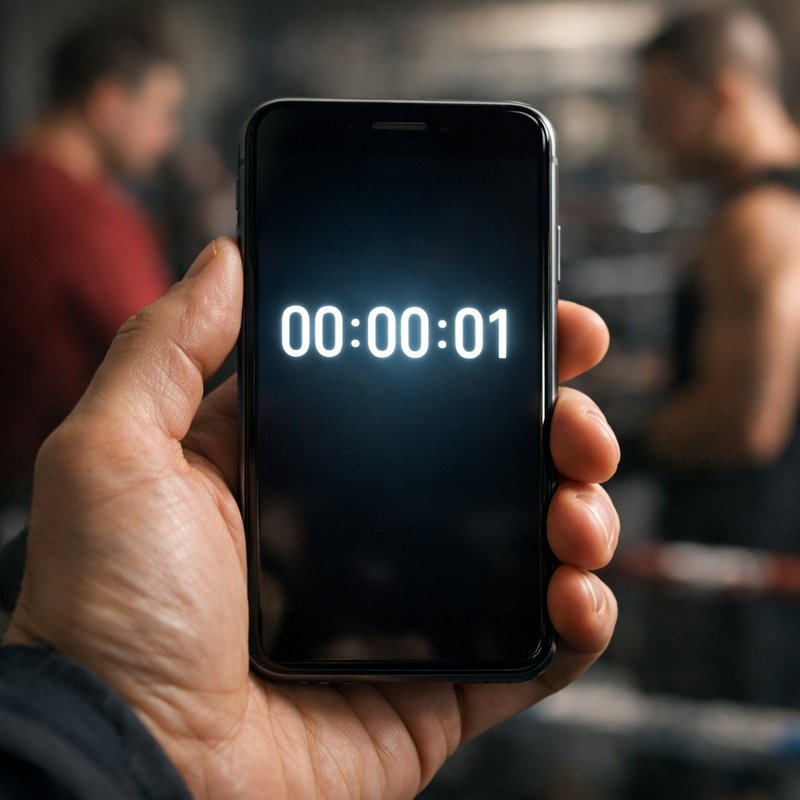
FCFS (First Come, First Served): The Speed War
First Come, First Served drops go live at a set time and sell out in seconds. Most major UK drops go live at 8am or 10am BST. If you are manually filling in a checkout form at that moment, you are already behind. FCFS drops favour automated tools because the window closes before a human can complete the payment step.
On FCFS releases, fixable mistakes compound quickly: a declined payment card, a slow address form, wrong region settings on your account, or no backup payment method will cost you the drop before you have even registered. Sort those basics first. Then assess whether the drop is even worth manual effort at all.
Raffle Drops: Levelling the Playing Field (Briefly)
Raffle drops collect entries over a window, then pick winners randomly. In theory, this gives everyone an equal shot. In practice, retailers and anti-fraud systems flag bulk entries, linked accounts, and suspicious device fingerprints. Mass raffle entry done carelessly still results in bans. Done carefully, with clean accounts and separated entry signals, it improves your odds meaningfully across a portfolio of drops.
Our raffle entry service handles Nike SNKRS and EQL entries at scale for exactly this reason: the volume advantage only holds if each entry looks clean to the retailer's systems.
Nike SNKRS Draw and Exclusive Access: Official Fair Systems
Nike's own SNKRS Draw page states it is designed to give all Nike Members a fair chance on the most in-demand limited-edition releases. That is true in principle. In practice, 1-in-110 odds on flagship releases mean that fairness and profitability are entirely separate conversations. Exclusive Access adds another layer: Nike selects who is invited to purchase, based on purchase history and engagement data. Understanding which mechanic applies before a drop determines how you should allocate your time.
What Auto-Checkout (ACO) Is and Why Manual Checkout Almost Always Loses on FCFS Drops
The ACO Advantage: Pre-Filled Data and Instant Submission
Auto Checkout (ACO) is software that automatically fills shipping, payment, and billing details to complete purchases almost instantly. On a FCFS drop, the difference between ACO and manual checkout is not a few seconds. It is the difference between submitting a checkout in milliseconds versus the five to fifteen seconds it takes a human to fill in the same form. On a drop that sells out in under a minute, that gap is decisive. A successful checkout is never guaranteed - anti-bot defences, site load, and stock exhaustion can all intervene before any order is confirmed - but ACO multiplies your chances meaningfully compared to manual entry. That is the honest case for the tooling, and it is also why HTD's ACO service runs on a pay-after-success basis: if the checkout does not land, no fee is owed.
If you want to understand exactly how ACO works in the UK context, our guide on how ACO actually works on UK sneaker drops goes into the mechanics in detail. HTD's own ACO service runs on a pay-after-success model: you only pay a fee (a percentage of the projected margin) when a checkout actually lands. If it does not hit, nothing is owed. That alignment matters.
Why Retailers Keep Patching ACO Tools
Retailers are not sitting still. Anti-bot systems like Akamai Bot Manager on SNKRS and PerimeterX on other platforms are updated constantly. A specific ACO tool or script that worked six months ago may now be flagged and blocked. This is also why recommending named tools in a guide like this would be pointless within weeks. The principle matters more than any specific product name: automated submission raises your odds on FCFS drops, but the tooling has a shelf life and the retailer is always catching up.
The Manual Reseller's Structural Disadvantage
If you are entering FCFS drops manually and wondering why you keep losing, this is the structural reason. It is not bad luck. It is a speed disadvantage that no amount of preparation fully overcomes. The honest advice is to focus manual effort on raffle entries and SNKRS Draw drops, where speed is irrelevant, and use automated tooling or a service for FCFS releases where it is decisive.
The Pre-Drop Checklist Every UK Reseller Must Run Before Entering

Step 1: Verify the Retailer and Release Mechanic
Before anything else, confirm which retailer is running the drop and which mechanic they are using. Footpatrol typically runs FCFS releases. Size? integrates raffle functionality through Mesh. END uses its own raffle system. JD Sports runs both, depending on the release. Treating all of these identically wastes entries and invites account issues.
Also confirm the drop time in BST. US-centric guides will quote Eastern or Pacific time. If you are based in the UK and you misread the time zone, you miss the drop entirely, not because you were too slow but because you were not there.
Step 2: Calculate Net Margin Before Committing
Run the numbers before you enter, not after. Margins on sneaker resales now sit at roughly 10-25% per pair, down from the 100% peaks of 2020 and 2021. At that level, platform fees, postage, and packaging eat a significant portion of the gain.
StockX seller fees start at 9% with a 3% payment processing fee. eBay UK charges up to 13.82% in most categories. Add Royal Mail or a courier, add packaging, and a pair with a £40 retail-to-resale spread can net you £10 or less. For a detailed comparison of what each platform actually costs you, our eBay and Vinted fees guide for UK 2026 runs through the real numbers.
If the net margin after all fees does not justify the time and account risk, the correct answer is to skip the drop entirely. That is not a loss. That is discipline.
Step 3: Check Size-Specific Demand and Recent Comps
Not all sizes move at the same premium. On sneaker platforms, mid-range sizes (UK 8 to UK 10 for men's) typically carry stronger demand and faster sell-through. StockX's Big Facts 2025 report confirms that ASICS Gel-1130 is now the platform's best-selling sneaker, not Nike or Jordan retros. If you are still chasing only legacy Jordan releases because that is what was hyped five years ago, you may be missing where actual secondary demand sits in 2026.
Check sold listings on StockX and eBay for the specific size you are likely to cop. A release that trades at a premium in size UK9 may trade at retail or below in size UK12. Know your size before you enter, not after.
Step 4: Assess Cook Group ROI and Personal Risk Tolerance
Cook group subscriptions in the UK typically run £20 to £50 per month. That is £240 to £600 per year before you have entered a single raffle. If a group is generating genuine intel on drop times, restock alerts, and mechanic changes, that cost can pay off quickly. If it is mostly reposts of public information with added hype, it probably does not.
Be honest with yourself about which category the group you are paying for falls into. The win uplift needs to exceed the subscription cost and the additional time you spend acting on alerts, or the membership is a cost, not an investment.
Realistic Success Rates, Margin Maths, and the 25% Loss Risk Nobody Talks About
Why Most Limited Releases Produce Losses, Not Wins
The maths of limited drops is structurally unfavourable for most entrants by design. Retailers create scarcity to generate marketing value. The resale premium that results is real, but it flows to a small percentage of entrants. At 1-in-110 odds on a flagship release, the expected outcome of any single entry is a miss. The goal of a well-run reselling operation is to enter enough correctly-selected drops, at low enough cost per entry, that the wins pay for the losses and leave a margin.
Most casual resellers do the opposite: they chase the biggest hype, pay the highest entry costs (in time, subscriptions, and account risk), and then hold dead stock when the resale premium collapses.
The Margin Collapse From 2020 to 2026
In 2020, 58% of sneaker releases traded above retail on secondary platforms. By 2024, that had fallen to 47%, with per-pair margins compressing from 100% peaks to the 10-25% range. The market has not died. It has normalised. That means the operators who built margin discipline into their process from the start are still earning. The casual buyers who relied on every release doubling in value have largely been squeezed out.
For a realistic picture of what UK resellers actually net per pair after all costs, our guide on UK sneaker reseller profit per pair walks through the full calculation.
Dead Stock and the Postage Problem
At 10-25% margins, a single avoidable cost can wipe the profit entirely. A StockX shipment rejected for a box crease or scuff triggers a dispute process that costs time and may result in a relisting at a lower price. Royal Mail tracked shipping on a shoe box adds £4 to £8. A courier adds more. If a buyer requests a return, you absorb postage in both directions.
None of these costs are unusual. They are routine. The resellers who survive them are the ones who priced them in before they entered the drop, not after they copped and listed.
Risk Management: Avoiding Platform Bans, Fee Traps, and the Mesh Network Blindspot
The Mesh Network Reality: JD Sports, Size?, and Footpatrol Share One Backend
This is the UK-specific risk that almost no generic guide covers. JD Sports, Size?, and Footpatrol all share the same Mesh backend, meaning bots can bypass the front-end apps and hit the Mesh API directly. For a reseller, this creates two problems: first, if you enter the same release on all three platforms thinking you are tripling your chances, you may actually be entering one system three times with the same account details, which raises your ban risk without raising your odds proportionally. Second, because the backend is shared, a detection event on one platform can cascade across all three.
Treat JD Sports, Size?, and Footpatrol as one entity for account risk purposes. Separate accounts, separate payment methods, and clean entry signals matter here more than on platforms with independent infrastructure.
Platform Fee Comparison and the Case for Lower-Fee Channels
Where you list affects your net margin as much as the resale price. StockX charges 9% seller fee plus 3% payment processing. eBay UK charges up to 13.82% across most categories. Depop and Vinted carry lower fees for certain categories and buyer demographics.
The right platform depends on the item, the buyer audience, and the speed of sale you need. A quick StockX listing on a high-demand sneaker may net more than a slower eBay sale at a higher price, once fees are accounted for. Run the comparison before listing, not while a buyer is waiting.
Raffle-Bombing and Account Risk
Entering too many raffles from one account, or with linked payment methods across multiple accounts, accelerates detection by anti-fraud algorithms. Retailers and platforms flag patterns that look automated or coordinated, even when the entries themselves are legitimate. This is why clean accounts matter, and why our guide on entering sneaker raffles at scale without getting banned treats account hygiene as a core part of raffle strategy, not an afterthought.
If you need clean accounts for specific platforms, HTD's account generation service covers Outlook, Amazon, Pokemon Center, and Nike accounts built to reduce this risk from the start.
Run the Checklist, Lose Less
Drop strategy in 2026 is not about winning more. At 1-in-110 odds on the most hyped releases, the math on winning more is not in your favour. It is about losing less: fewer missed drops from avoidable errors, fewer entries into releases where the margin maths never worked, fewer account bans from careless raffle approaches, and fewer fees eating into wins that were already thin.
The resellers who are still here in two years will be the ones who ran this checklist before every drop and treated the ones that did not pass as capital preserved, not opportunity missed.
If you want to run reselling as a real business, with the systems, community, and tooling that make the process sustainable, apply to join Hit The Drop. HTD is a UK Discord-based reselling community with an ACO service that runs on a pay-after-success basis: the fee is a percentage of the projected margin, and if the checkout does not land, nothing is owed. When members win, HTD wins. That is the whole model.
🧡
Sources
- https://hypeproxies.com/blog/sneaker-reselling-stats
- https://resellcalendar.com/news/reselling-101/sneaker-resell-2025-market-changes/
- https://stockx.com/about/stockx-rolls-out-latest-big-facts-report-revealing-top-resale-trends-in-2025/
- https://hustlehare.com/articles/article-acos/
- https://www.soleretriever.com/news/articles/size-previews-raffle-review
- https://www.nike.com/help/a/nike-snkrs-draw
- https://sneakerscartel.com/the-definitive-guide-to-reselling-your-sneakers-in-2026/
Skip the queue
Use JUMPSTART as your referrer when you apply to join Hit The Drop and you skip the waitlist with access approved straight away.